 Skip to content
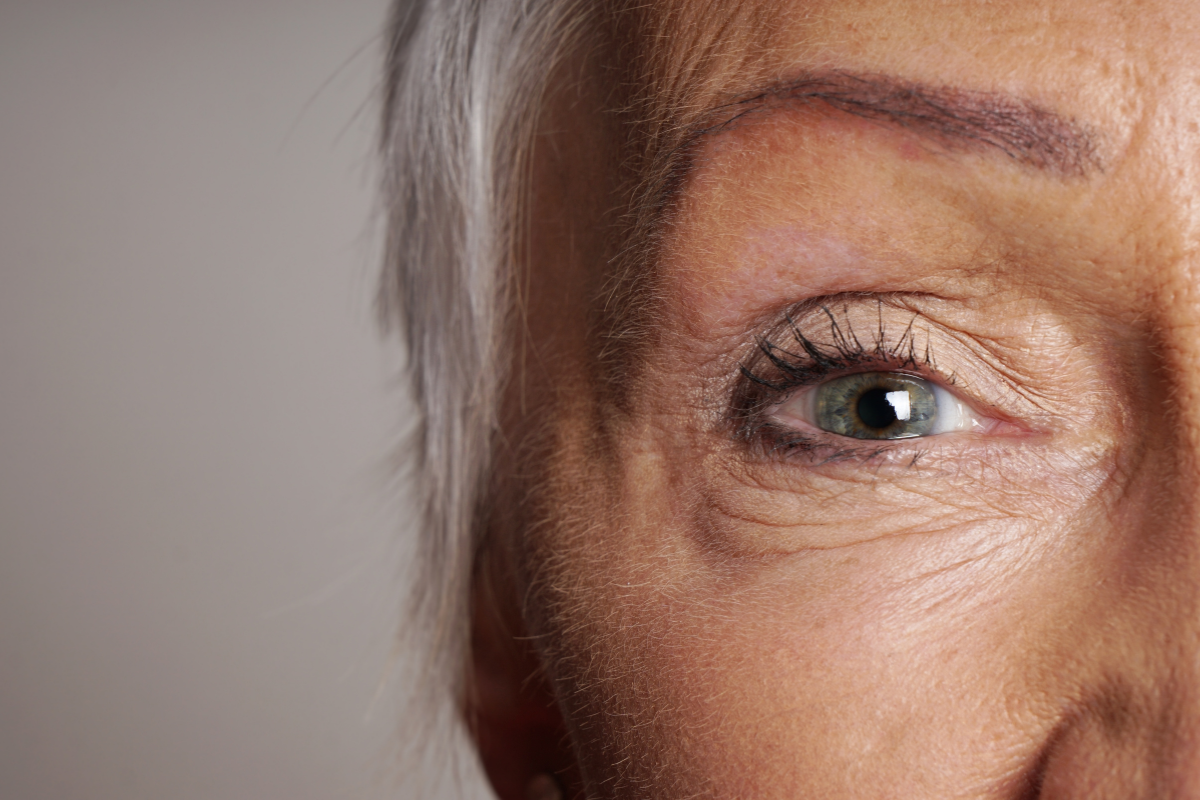
September is Healthy Aging Month, a timely reminder that taking care of your health includes taking care of the things that help you enjoy life, including your vision.
Eye changes often happen gradually. You may notice that reading takes a little more effort, headlights seem brighter at night, or colors don’t look quite as vivid as they once did. Because these changes can develop slowly, it’s easy to assume they’re simply a normal part of getting older.
Some changes are normal. Others can signal an age-related eye condition that deserves attention.
Glaucoma, cataracts, age-related macular degeneration (AMD), and presbyopia can all affect vision as we age. The good news is that regular comprehensive eye exams can help identify changes early, when there is an opportunity to monitor, manage, or treat them.
At Performance Eyecare, we use advanced technology that helps our eye doctors look beyond how clearly you see today. We also monitor your eye health over time. This includes digital retinal imaging and comprehensive glaucoma testing.
Glaucoma: The “Silent Thief of Sight”
Glaucoma is one of the most important eye conditions to watch for as you age because it can develop without obvious warning signs.
Glaucoma can damage the optic nerve slowly and often without early symptoms. High eye pressure is an important risk factor, but glaucoma can also occur when pressure is within a typical range. That is why a comprehensive evaluation looks at more than pressure alone.
During your exam, we can measure eye pressure without the traditional air puff, using numbing eye drops and a gentle microscope-based test. Your doctor also evaluates the optic nerve and may recommend additional imaging or visual field testing when appropriate.
Cataracts: Cloudy Vision, Clear Solutions
Cataracts are another common age-related change. A cataract occurs when the eye’s natural lens becomes cloudy, gradually affecting the way light reaches the retina.
Cataracts typically develop slowly and painlessly, which means you may adjust to changing vision without realizing how much it has changed.
Common signs can include:
- Increased sensitivity to glare
- Difficulty driving at night
- Colors appearing faded or less vibrant
- Increasing difficulty reading or seeing clearly
- Vision that seems increasingly cloudy or hazy
A comprehensive eye exam can identify cataracts and help your eye doctor monitor their progression. If a cataract is not significantly affecting your vision, treatment may not be necessary right away. When it begins interfering with your quality of life, your optometrist can help determine the next step and refer you to a trusted cataract specialist when appropriate.
Learn more about cataract diagnosis and treatment in Performance Eyecare’s guide to understanding cataracts.
Age-Related Macular Degeneration (AMD)
Age-related macular degeneration affects the macula, the central part of the retina responsible for sharp, detailed vision. Because the macula plays such an important role in reading, recognizing faces, and driving, changes to this area can significantly affect everyday life.
There are two primary forms of AMD.
Dry AMD is the more common form and develops as the macula gradually thins with age.
Wet AMD is less common but often progresses more quickly. It occurs when abnormal blood vessels grow in the back of the eye and damage the macula. If straight lines suddenly appear wavy or you develop a new blurry area in your central vision, contact your eye doctor promptly.
Age and family history can increase your risk, while smoking is another important risk factor. One of the challenges with AMD is that early stages may not cause noticeable symptoms.
That makes proactive eye care especially important.
At Performance Eyecare, digital retinal imaging allows your eye doctor to view and monitor the inside of your eye over time. These images can provide valuable information about changes that may not yet be apparent to you.
For more information, explore Performance Eyecare’s resource on macular degeneration awareness.
Presbyopia: The Almost-Universal Age Change
Not every age-related vision change is a disease. Presbyopia is a normal change that affects nearly everyone as they get older.
As the eye’s natural lens becomes less flexible, focusing on nearby objects becomes more difficult. You may notice yourself holding your phone, books, or restaurant menus farther away, or needing brighter light to read comfortably.
Presbyopia commonly becomes noticeable during your 40s and 50s.
While you can’t prevent this normal change, you don’t have to struggle with it. A comprehensive eye exam can determine the correction that best fits your lifestyle, whether that is reading glasses, progressive lenses, or multifocal contact lenses.
The right solution can make everyday activities feel easier, whether you are reading a menu, working at a computer, checking your phone, or enjoying a favorite book.
Why Regular Eye Check-Ups Matter Most
Glaucoma. Cataracts. AMD. Presbyopia.
These four conditions illustrate an important point about healthy aging: your vision can change before you realize it.
Some age-related changes are normal and easily corrected. Others require monitoring or treatment. Some, such as glaucoma and early AMD, may cause few noticeable symptoms in their earliest stages.
That’s why comprehensive eye exams are about more than updating a glasses prescription.
At Performance Eyecare, advanced digital imaging technology allows your eye doctor to see and document the inside of your eyes, creating a valuable way to monitor changes over the course of your lifetime. We also offer glaucoma testing designed to accurately measure eye pressure without the traditional air puff.
These technologies support a proactive approach. The goal is to look for changes before they become changes you can feel in everyday life.
Healthy aging is not about stopping every change. It’s about knowing what is changing, understanding what it means, and acting when you can.
Make Your Vision Part of Your Healthy Aging Plan
This September, make your eye health part of your Healthy Aging Month checklist.
Don’t wait for blurry vision, trouble driving at night, or difficulty reading to remind you that it’s time for an eye exam. A comprehensive exam gives your eye care team an opportunity to evaluate your current vision, look for age-related changes, and establish a baseline for monitoring your eye health over time.
Ready to take the next step? Schedule a comprehensive eye exam at your local Performance Eyecare and keep your vision and your future on track.
At Performance Eyecare we put the CARE in Eyecare.